
Practical Theologies/Wisdom Traditions in Spiritual Care
A three-day online symposium
September 24-26, 2024
The field of spiritual care continues to grow in terms of both theory and clinical practice across traditions and spiritual care disciplines. The symposium will be a collegial place with a twofold purpose: (a) to consider the (epistemological) issue of how our diverse wisdom traditions connect with the manifold resources from the social and behavioral sciences such as psychology; and (b) to foster reflection and dialogue among the representatives of those normative traditions for further collaboration both “intra” and “inter” traditions.
View an introduction video from Daniel Schipani, Board President of IASC.
Schedule
Tuesday, September 24
12:00 – 4:00 p.m. EDT
Hinduism, Indigenous Wisdom tradition, Judaism
Wednesday, September 25
8:30 a.m. – 12:30 p.m. EDT
Buddhism, Humanism
Thursday, September 26
8:30 a.m. – 12:30 p.m. EDT
Christianity, Islam
View a detailed schedule (PDF)
Recordings
Hinduism, Indigenous Wisdom tradition, Judaism
Tuesday, September 24
Buddhism, Humanism
Wednesday, September 25
Christianity, Islam
Thursday, September 26
Symposium Speakers
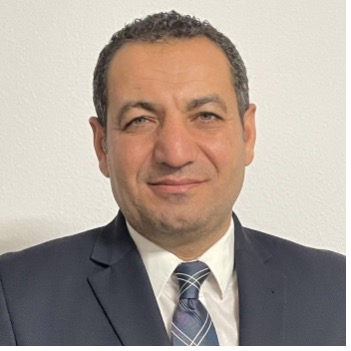
Mahmoud Abdallah is a researcher at the Center for Islamic Theology, University of Tübingen, Germany. His main areas of interest and involvement are: Islamic Practical Theology/Pastoral Care, Theology of Coexistence, Interreligious Dialogue, Muslim Religious Community in the Pluralistic Society, and State and Religion in Islam. Dr. Abdallah has worked on various research projects and authored a major book, Islamische Seelsorgelehre: Theologische Grundlegung und Perspektiven in einer pluralistischen Gesellschaft, Ostfildern (Matthias-Grünewald-Verlag) 2022. Other research and publication projects include, Theologie des Zusammenlebens. Christen und Muslime beginnen einen Weg (ThdZ 1), Ostfildern 2017, 22018 [ed.); and Religiöse Institutionen in Krisenzeiten. Ethik–Theologie–Praxis. (ThdZ 5) Ostfildern 2024 (ed.) Dr. Mahmoud Abdallah has been a member of the Deutsche Islam Konferenz (DIK) since 2018. Dr. Abdallah has been a visiting lecturer at the Universities of Maramra (Turkey), Sarajevo (Bosnia-Herzegovina), and St Andrews (Scotland). His current research focuses on the genealogy and ethics of Islamic Pastoral Care.
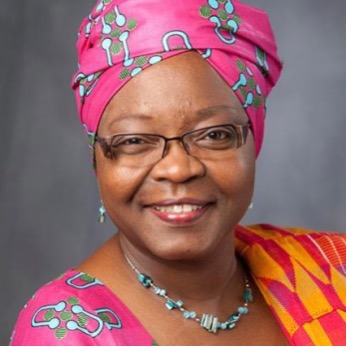
Esther Acolatse, PhD, is Professor of Pastoral Theology and World Christianity, Garret Evangelical Theological Seminary. Dr. Acolatse works at the intersection of psychology and Christian thought in aid of human flourishing, with interests in the gendered body, cultural anthropological dimensions of medicine, health, and healing, and their implications for suffering, death, dying, and care at the end of life. Her interdisciplinary work includes biblical hermeneutics, systematic theology, Jungian analytical psychology, pneumatology, and pastoral care and counseling. Her interests and expertise reflect an African-centric analysis of western culture and religious life. Her writings include, For Freedom or Bondage?: A Critique of African Pastoral Practices.
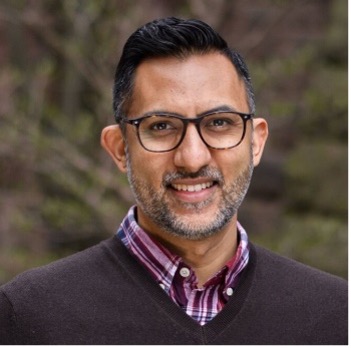
Vineet Chander is Assistant Dean for Hindu Life and Hindu Chaplain at Princeton University, and also serves as a Religious Life Advisor at the Lawrenceville School. The nation’s first full-time Hindu chaplain and program director in higher education, Dr. Chander is a co-founder of the North American Hindu Chaplains Association. He is also the co-author of two academic volumes on Hindu chaplaincy and numerous articles on related topics. Dr. Chander holds a J.D. from George Washington University Law School; an M.A. in Religion from Rutgers University; and an Ed.D. in higher education from New York University. His areas of specialty include Bhakti, the Bhagavad-Gita, models of pastoral counseling, faith development in higher education, and the Hindu-American diaspora community.
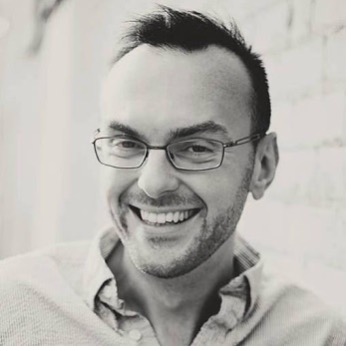
Dr. James Croft, FRSA, is University Chaplain and Lead Faith Advisor for the University of Sussex, and is the first and currently the only Humanist to lead a chaplaincy at any UK university. Formerly, as Senior Leader of the Ethical Society of St. Louis, he led one of the largest Humanist congregations in the world. The recipient of numerous awards for his academic work, James holds a doctorate and an EdM from the Harvard Graduate School of Education, and an MA from the University of Cambridge. James has dedicated his life to helping people ask the big questions – Why are we here? How should we treat each other? Where are we going? – and is a popular speaker on matters of religion, ethics, and philosophy in the UK and internationally.
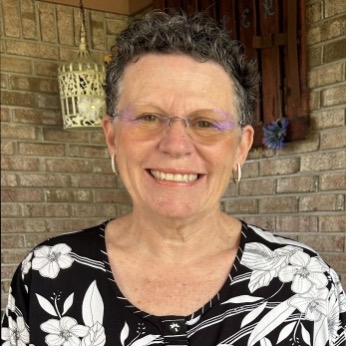
Rabbi Mona Decker, MAHL, BCC, is a Staff Chaplain at Community Hospice and Palliative Care in Jacksonville, Florida. She earned her rabbinic ordination at the Reconstructionist Rabbinical College in Pennsylvania. Currently a DMin Candidate in Advanced Pastoral Studies at University of Redlands in California, her research focuses on hospice chaplains’ provision of spiritual care to persons with advanced dementia. Her research includes Jewish thought and other theologies that inform and support this spiritual caregiving practice. She is a visiting rabbi at First Congregation Sons of Israel in St. Augustine, Florida.
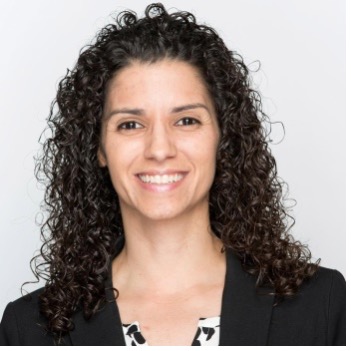
Marlene Ferreras, PhD, is Assistant Professor of Practical Theology, La Sierra University. She is an ordained minister in the Seventh-day Adventist Christian denomination, and views herself as a three-vocational woman. Her areas of study and practical engagement include pastoral counseling and spiritually integrative psychotherapy, Mesoamerican spirituality, marital and family therapy, and Latinx theology. Prof. Ferreras won the national Hispanic Theological Initiative book prize with her text, Insurrectionist Wisdoms: Toward a North American Indigenized Pastoral Theology.
Nazila Isgandarova, MSW, DMin, PhD, is Practicum Director of supervised psycho-spiritual education, and assistant professor of Islamic spiritual care at Emmanuel College of Victoria University in the University of Toronto. Dr. Isgandarova integrates clinical practice, research, supervision and teaching. She is a leading voice in Islamic practical theology and spiritual care while also committed to interfaith reflection and collaboration. Her numerous publications include Muslim Women, Domestic Violence, and Psychotherapy: Theological and Clinical Issues, and Islamic Spiritual Care: Theory and Practices.
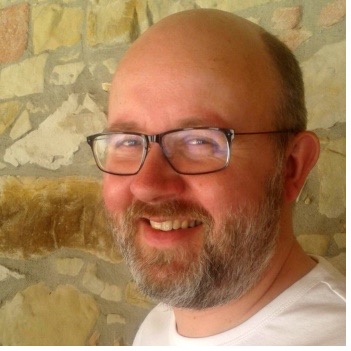
Dr. Dominiek Lootens is President of SIPCC and Head of the Center for Dialogue at the Riedberg Campus in Frankfurt am Main, Germany. He is an International Advisor to the ITMS and author of Open to the Full Dimension: Thomas Merton, Practical Theology, and Pastoral Practice (2022).
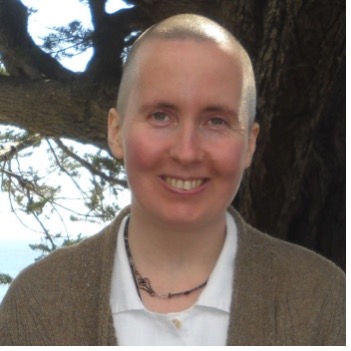
Ji Hyang Padma serves as Associate Professor in the Wisdom Traditions Department at Naropa University. She is a lineage holder in the Soto Zen line of Shunryu Suzuki. She has served as a chaplain for eighteen years, primarily within the field of higher education. Ji Hyang has a PhD in Psychology, with a specialization in Transpersonal Psychology. She is the acting president of the Maitreya Association, a Buddhist campus chaplain association in formation. Her publications include: Living the Season: Zen Practices for Transformative times; Field of Blessings: Ritual and Consciousness in the Work of Buddhist Healers; and Sourcebook of Buddhist Campus Chaplaincy (in publication). Her research interests include engaged Buddhism, Buddhist practical theology, Buddhism and healing, interfaith dialogue and chaplaincy. She is also a lifelong student of earth-honoring traditions.
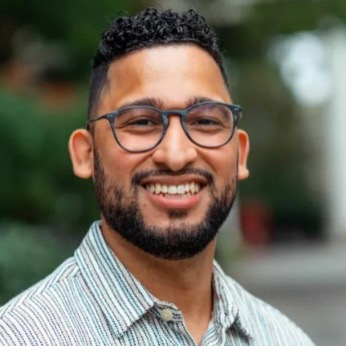
Anthony Cruz Pantojas is a scholar and ethicist who serves as the Humanist Chaplain and Coordinator of Africana Spirituality at Tufts University. Currently a PhD Candidate in Cultural Studies at Universidad Ana G. Méndez, Gurabo Puerto Rico, Cruz Pantojas earned master’s degrees in Theological Studies and Leadership Studies. Through curated transformative experiences blending art, spirituality, and community engagement, Anthony fosters a creolizing approach to existential care and life exploration. Grounded in Afro-Caribbean humanist and freethought philosophies, they promote critical thinking, and self-discovery, inspiring individuals to question and reimagine their inner/outer worlds.
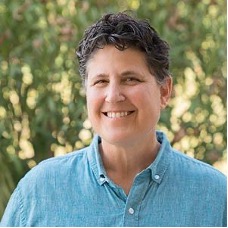
Rabbi Rochelle Robins serves as Co-Founder and President of the Ezzree Institute, an interreligious graduate program, and as ACPE Certified Educator at PIH Good Samaritan Hospital in Los Angeles. Prior to these positions, she served as Vice President and Dean of the Chaplaincy School, at the Academy for Jewish Religion, CA. She is the recipient of scholarships and awards including: the Joshua Venture Fellowship for Young Jewish Social Entrepreneurs, the Dr. Martin A. Cohen Prize in East European Literature, the Lewis and Minnie Raphael Award for Outstanding Service to a Small Congregation and the Irving Kalsman Scholarship Fund in Hospital Chaplaincy. She has published in the field of Jewish Pastoral Care, Jewish Women’s Commentaries, intersectionality, and Transdenominational Judaism. Rabbi Robins also served as Co-Founder and Executive Director of Bat Kol: A Feminist House of Study, Jerusalem’s first international progressive women’s yeshivah (school of religious studies). Rabbi Rochelle Robins was ordained by the Hebrew Union College-Jewish Institute of Religion in New York, New York. She received her Master of Arts in Hebrew Letters/Literature from the Hebrew Union College, Los Angeles, California, and her Bachelor of Arts degree in Philosophy from Evergreen State College in Olympia, Washington.
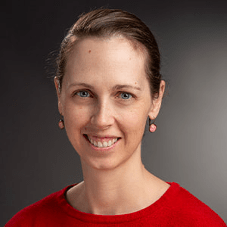
Monica Sanford, PhD, is Assistant Dean for Multireligious Ministry at Harvard Divinity School. Her mission is to prepare a diverse cohort of students to become religious and spiritual leaders. She focuses on those who have historically been excluded from graduate-level religious vocational education in the United States, such as Buddhist, Muslim, Hindu, Pagan, Spiritual, Secular, and those who don’t neatly fit into predefined categories. Her work extends beyond individual communities; she also prepares students for interreligious settings. Rev. Dr. Sanford’s expertise lies in both Buddhist chaplaincy (across all sectors) and college chaplaincy (across all traditions). Her writings include Kalyāṇamitra: A Model for Buddhist Spiritual Care.
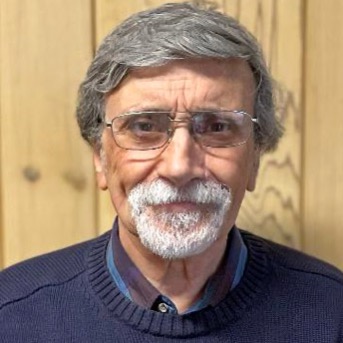
Daniel Schipani, DrPsy, PhD, is Emeritus Professor of Pastoral Care and Counseling at Anabaptist Mennonite Biblical Seminary, and Affiliate Professor of Pastoral & Spiritual Care at McCormick Theological Seminary and San Francisco Theological Seminary. He is the author or editor of books on pastoral care and pastoral theology, including: The Way of Wisdom in Pastoral Counseling; Spiritual Caregiving in the Hospital: Windows to Competent Practice; Interfaith Spiritual Care: Understandings and Practices; Multifaith Views in Spiritual Care; Where are We?: Pastoral Environments and Care of Migrants, Intercultural and Interreligious Perspectives; and Spiritual Care in Our Multifaith World: A Primer on Practice and Theory. Prof. Schipani is a visiting lecturer in various academic institutions and lectures widely in North America, Latin America and Europe. He is the current board president of the International Association for Spiritual Care.
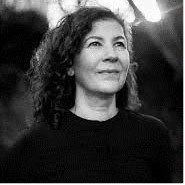
Carmen Schuhmann, PhD, is Assistant Professor at the University of Humanistic Studies in Utrecht, the Netherlands. She holds a PhD in mathematics from the University of Leiden (the Netherlands) and worked as a researcher in the field of algebraic geometry at the University of Essen (Germany). After switching from mathematics to humanistic studies, she worked for several years as a prison chaplain. Dr. Schuhmann specializes in spiritual care and chaplaincy in (post)secular contexts. Her research interests include: the relational and socio-political dimensions of meaning in life and spiritual care, moral injury and moral resilience, and chaplaincy in the military and in penitentiary institutions.
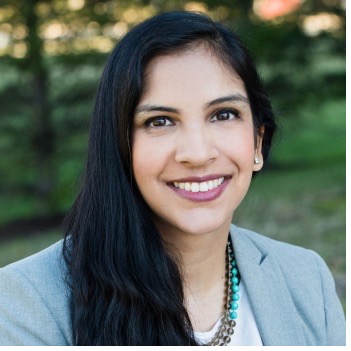
Kavita Pallod Sekhsaria, PhD, is the founder of KPS Psychotherapy, a private practice focused on providing psychotherapeutic services to the South Asian community. Dr. Sekhsaria’s doctoral dissertation, Hindu Indian American Conceptions of Mental Health focuses on unpacking how understanding a Hindu worldview of mental health can enable greater access to mental healthcare by the underserved Hindu American population. Dr. Sekhsaria is particularly dedicated to destigmatizing spiritual means for coping in the therapeutic space. She also serves on Hindu American Foundation’s Board of Directors supporting the organization’s education and advocacy mission.
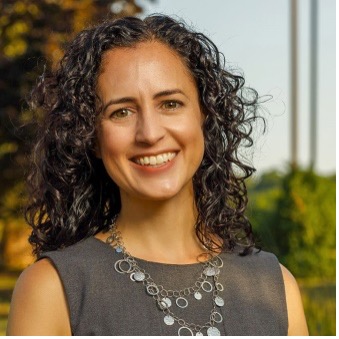
Leah Thomas, PhD, is the Assistant Professor of Pastoral Care and Contextual Education at Anabaptist Mennonite Biblical Seminary in Elkhart, IN, USA. Leah’s research interests include anti-racist and intercultural pastoral care, trauma, culture, and the role of embodiment in caregiving and Christian spiritual practices. She is the author of Just Care: Ethical Anti-Racist Pastoral Care with Women with Mental Illness (2020).
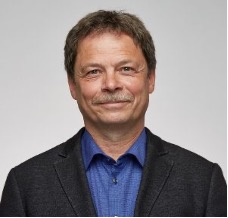
Georg Wenz, DrTheol, is deputy director of the Protestant Academy of the Palatinate and a lecturer at the Technical University of Darmstadt. In his work he focuses on interreligious and transcultural processes, migration and society, post-migration cultures of remembrance and the challenges of a plural society for spiritual care. Dr. Wenz is actively involved in training and further education in the area of culturally and religiously sensitive pastoral care as well as Islamic spiritual care. He is also a consultant for various organizations.
Symposium Co-sponsors
The 2024 Symposium is co-sponsored by the Society for Intercultural Pastoral Care and Counseling and Anabaptist Mennonite Biblical Seminary.

 International Association for Spiritual Care